Updated:
Quick answer: moving machinery or heavy equipment in Kenya safely starts with a site survey at both locations, a written moving plan and the right lifting gear, such as pallet jacks, forklifts, skates or a crane. Disconnect and drain the machine, protect sensitive parts, secure it on a suitable truck, and reinstall and test it at the new site. Use movers with experience of heavy and industrial equipment, and check the load, route and any permits before moving day.
Nairobi Movers relocates factory machinery, workshop and printing equipment, generators, safes, medical and laboratory equipment, servers and data centre hardware. This guide explains how an equipment move is planned and carried out.
What counts as machinery and equipment moving
| Type | Examples | What needs extra care |
|---|---|---|
| Industrial machinery | Lathes, presses, packaging and production lines | Weight, centre of gravity, anchoring bolts |
| Commercial equipment | Printing presses, generators, cold rooms, kitchen equipment | Fuel and fluids, electrical disconnection |
| Sensitive equipment | Medical, laboratory and testing equipment | Calibration, shock and vibration |
| IT and data centre | Servers, racks, storage and network equipment | Data backup, anti-static packing, downtime |
| Heavy single items | Safes, pianos, vaults, large machines | Floor loading, stairs, lifting points |
How a machinery move is planned
- Site survey. We inspect the equipment, the floors, doors, ramps and loading areas at both sites, and the route between them.
- Moving plan. A written plan covers the sequence, lifting method, truck, crew and timing, and who is responsible for disconnection and reinstallation.
- Preparation. Your technicians or the manufacturer disconnect power, air and water, drain oils and fuel, and lock moving parts. Manuals and settings are recorded.
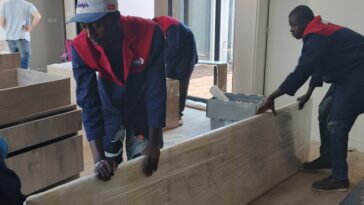
- Rigging and lifting. The right equipment is used for the weight and space: pallet jacks, forklifts, machine skates, gantries or a crane.
- Packing and securing. Sensitive parts are wrapped, crated or braced, and the machine is strapped and blocked on the truck so it cannot shift.
- Transport. A suitable truck or low-loader carries the load on a planned route, avoiding low bridges, tight turns and peak traffic.
- Placement and reinstallation. The machine is positioned, levelled and anchored, then reconnected and tested before production starts.
Safety rules for moving heavy equipment
- Never move a machine without knowing its weight and lifting points.
- Check that floors, ramps and lifts can take the load at both sites.
- Use trained operators for forklifts and cranes, and keep people clear of lifts.
- Drain fluids and secure moving parts to prevent leaks and shifting.
- Strap and block every load; do not rely on the weight of the machine to hold it in place.
- Check whether the load needs a permit or escort for oversized transport.
Moving servers and data centre equipment
A data centre or server room move is planned around downtime. Back up all data and test the backup, label every cable and port, and shut down systems in an agreed order. Pack servers and drives in anti-static materials and padded crates, keep racks upright and secured, and move them in a closed truck, loaded last and unloaded first. At the new site, reinstall and test in the planned order before users reconnect. For the rest of an office move, see our office relocation checklist.
Reducing downtime
- Move during a planned shutdown, a weekend or a holiday period.
- Move in phases so one line or department keeps running.
- Prepare the new site first: foundations, power, air and network ready before the machine arrives.
- Agree the reinstallation and testing schedule with your technicians in advance.
What affects the cost of moving machinery
- The weight, size and number of machines
- Lifting equipment needed: forklift, skates, gantry or crane
- Access at both sites and the distance between them
- Crating and packing for sensitive parts
- Specialist trucks, permits or escorts
- Out-of-hours work to reduce downtime
Every machinery move is quoted after a site survey, with a written plan and price before work starts.
Common types of equipment moves
Machinery moves cover a wide range of jobs, from a single printing press to a whole factory floor. Each type of equipment has its own risks and requirements.
| Type of equipment | Typical examples | Main considerations |
|---|---|---|
| Manufacturing machinery | Lathes, CNC machines, presses, injection moulders | Weight, levelling, anchor bolts, power and compressed air connections |
| Printing equipment | Offset presses, large-format printers, guillotines | Precision alignment, sensitive rollers, recalibration after the move |
| Food processing | Mixers, ovens, packaging lines, cold rooms | Hygiene, stainless steel surfaces, refrigerant handling |
| Generators and compressors | Standby generators, air compressors | Fuel and oil draining, lifting points, noise and exhaust placement |
| Medical and laboratory | Imaging equipment, analysers, lab benches | Calibration, manufacturer requirements, vibration and temperature control |
| Commercial kitchens | Cookers, extractors, dishwashers, fridges | Gas disconnection, ductwork, plumbing |
| Warehouse equipment | Racking, forklifts, conveyors | Dismantling, structural checks, reassembly to safe standards |
For specialised or high-value equipment, always check the manufacturer’s instructions. Some machines must be moved or recommissioned by an authorised technician, or the warranty may be affected.
Lifting and handling equipment used in machinery moves
Heavy equipment cannot be moved safely by hand. A machinery move usually uses a combination of these tools, chosen after a site survey.
- Pallet jacks and machine skates to roll heavy items across factory floors.
- Forklifts for loading and unloading items within their rated capacity.
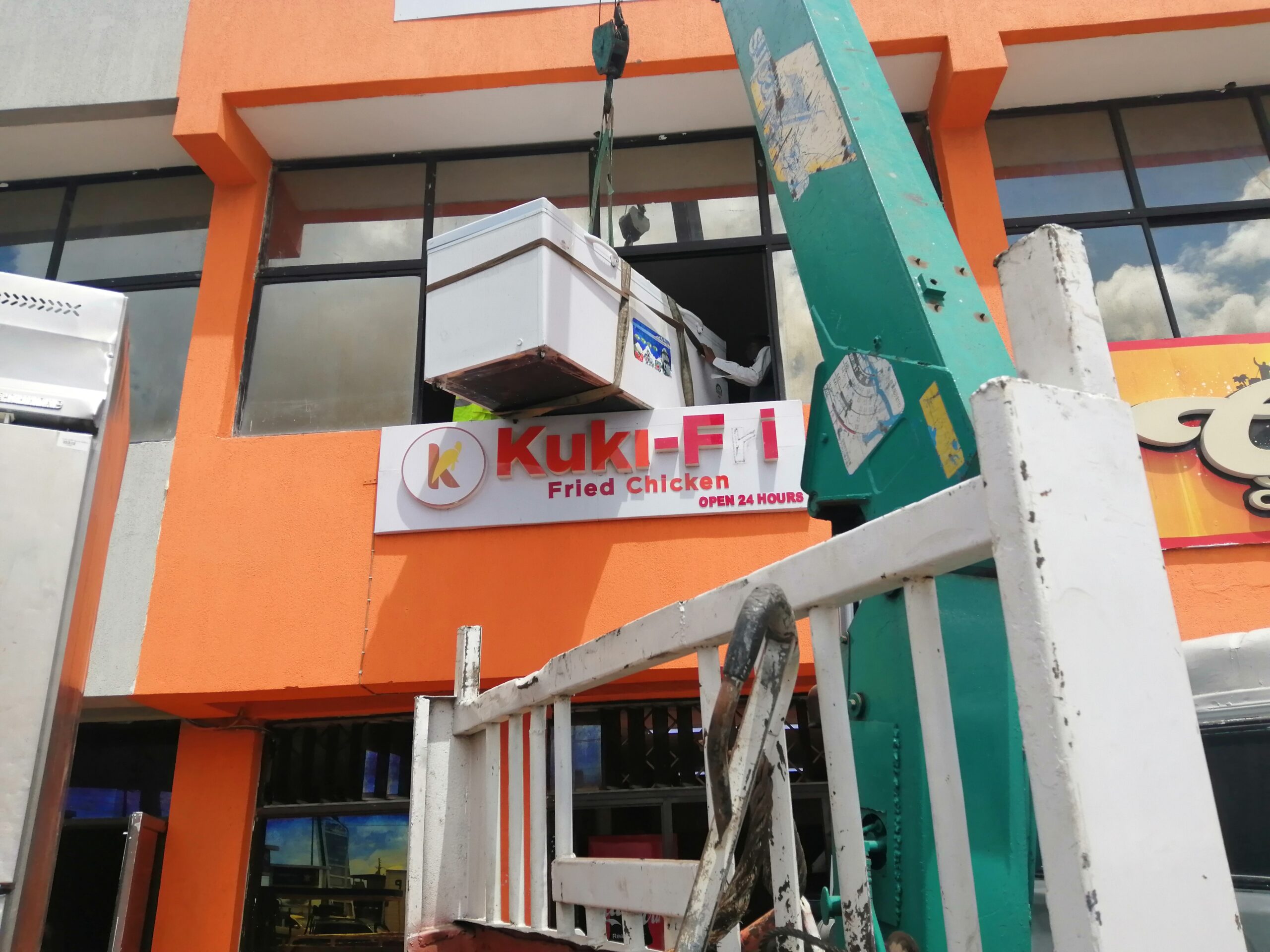
- Mobile cranes and hiab trucks for very heavy items, rooftop units or lifts over obstacles.
- Gantries and chain hoists where a crane cannot reach, for example inside a building.
- Jacks and cribbing to raise machines slowly and safely onto skates.
- Low-bed and flatbed trailers for tall, wide or very heavy loads.
- Ratchet straps, chains and edge protectors to secure loads during transport.
Every lifting device has a safe working load. A competent operator checks the weight of each item, the condition of the lifting gear and the ground conditions before any lift.
Preparing a site before the move
Good preparation at both sites makes the move faster and safer. Before moving day, the business and the moving team should agree on these points.
- Clear the route. Remove stock, pallets and obstacles from the path between the machine and the exit.
- Check floors and ramps. Make sure floors can carry the weight of the machine and the lifting equipment, and protect finished floors.
- Measure openings. Check door heights, widths and turning space. Sometimes a wall panel or roller door has to be removed temporarily.
- Disconnect utilities. A qualified electrician, plumber or gas technician should isolate power, water, gas and compressed air.
- Drain fluids. Oil, coolant, fuel and hydraulic fluid usually need to be drained or secured to prevent leaks.
- Prepare the new site. Foundations, anchor points, power supply and ventilation should be ready before the machine arrives.
- Plan access for vehicles. Confirm where the truck and crane will stand, and whether permission is needed from the landlord, estate or county.
Transporting heavy machinery on Kenyan roads
Moving heavy equipment between sites, or between towns, involves road transport rules as well as lifting. Loads must be properly secured, and trucks must stay within legal weight limits for the roads they use. Oversized or abnormally heavy loads may need special permits and, in some cases, an escort. Plan routes to avoid low bridges, weak roads and tight urban corners, and allow extra time on routes with heavy traffic. For moves out of Nairobi, travelling at night or early in the morning often avoids congestion. Our guide to long-distance moving in Kenya covers the main routes.
Documentation and records to keep
A well-documented machinery move protects the business and makes reinstallation easier.
- An inventory of every machine and component, with serial numbers.
- Photographs of each machine before dismantling, including cable and pipe connections.
- Wiring diagrams, manuals and any manufacturer moving instructions.
- Lifting plans and risk assessments for heavy lifts.
- Delivery notes signed at the new site.
- Commissioning and calibration records after reinstallation.
Reinstallation and commissioning
The job is not finished when the machine arrives. It has to be placed, levelled, anchored and reconnected, then tested before production can restart. Precision equipment such as CNC machines and printing presses often needs to be levelled to fine tolerances and recalibrated. Plan for a qualified technician to recommission each machine, run test pieces and confirm everything is working within specification before staff return to normal production.
Moving equipment out of a building with restricted access
Many businesses in Nairobi operate in mixed-use buildings, basements or upper floors with limited access. Moving equipment out of these spaces needs extra planning. Check the capacity and dimensions of goods lifts, whether stairs or ramps can take the load, and whether the building management has rules about working hours, noise and floor protection. In some cases, equipment has to be partly dismantled to fit through doors or lifts, or lifted out through a window or opening with a crane. These decisions should be made during the survey, not on moving day.
Insurance for machinery moves
Standard household Goods in Transit insurance is usually not enough for valuable industrial equipment. Before the move, check what cover the moving company has, the limit per item and per load, and whether lifting operations are covered. Check your own business insurance too, because some policies cover equipment in transit or at a new site only if the insurer is told in advance. For very high-value items, specific transit cover may be needed. Agree in writing who is responsible for each stage of the move: dismantling, lifting, transport, placing and recommissioning.
Questions to ask a machinery mover
- Have you moved this type of equipment before, and can you share references?
- Will you carry out a site survey at both locations?
- What lifting equipment will you use, and who operates it?
- Will you provide a written lifting plan and risk assessment?
- How will the equipment be secured during transport?
- What insurance cover applies to my equipment, and what are the limits?
- Who handles disconnection, reconnection and recommissioning?
- How long will the move take, and what are the risks of delay?
Machinery moving mistakes to avoid
- Guessing the weight of a machine instead of checking the manufacturer’s data or weighing it.
- Moving equipment without draining oil, coolant or fuel.
- Forgetting that the new site needs foundations, power or ventilation ready on the day.
- Using a forklift or crane beyond its rated capacity.
- Dismantling machines without photographs or labels, which makes reassembly slow.
- Ignoring manufacturer warranty conditions for moving and recommissioning.
- Not allowing time to test and calibrate before restarting production.
How long does a machinery move take?
Every job is different, but this gives a sense of the time involved. The survey and planning stage is often longer than the move itself.
| Type of job | Planning time | Moving time |
|---|---|---|
| Single machine within the same building | A few days | A few hours to one day |
| Small workshop to a nearby site | 1 to 2 weeks | 1 to 3 days |
| Production line or printing press | 3 to 6 weeks | 2 days to a week, including recommissioning |
| Whole factory or warehouse | 2 to 6 months | Several weeks, usually in phases |
| Move to another town | Add 1 to 2 weeks for route planning and permits | Add travel time and overnight security |
Moving a generator
Standby generators are one of the most common heavy items moved by Kenyan businesses, hotels and large homes. A generator should be shut down and isolated from the electrical system by a qualified electrician. Fuel is drained or the tank sealed, and batteries are disconnected. The generator is lifted using its designated lifting points, never by the canopy, and secured on the truck so it cannot shift. At the new site, it needs a level concrete base, enough ventilation, a safe exhaust route and a proper changeover connection before it is started again.
Moving server racks and IT equipment with machinery
Many workshops and factories have IT equipment that controls production, such as servers, network cabinets and computers linked to machines. Treat these as a separate part of the move. Back up all data, document the network connections, and shut systems down in the right order. Server racks should be moved with their equipment removed or properly secured, on air-ride or well-padded transport, and kept dry and upright. Plan for the network and control systems to be tested before machines are restarted, because a production line cannot run without them.
Working with your staff during the move
Your own maintenance team and machine operators know the equipment better than anyone. Involve them in the survey, the dismantling and the recommissioning. They can point out quirks, weak points and parts that are easily damaged. Brief all staff on the moving schedule, keep the work area clear of people who are not involved, and make sure everyone knows where it is safe to stand during lifts.
Moving equipment into storage
Sometimes equipment needs to be stored between sites, during a renovation or while a business is restructuring. Clean the machine, drain fluids, protect bare metal from rust with a light coat of oil or a protective wrap, and cover it to keep dust out. Store it on pallets off the floor, in a dry, secure space, and keep records of what is stored where. Heavy items need a storage facility with the floor strength and lifting equipment to handle them. Our guide to storage units in Nairobi explains the options for business storage.
Disposing of old equipment
A relocation is a good time to retire machines that are no longer worth moving. Consider whether old equipment can be sold, traded in or recycled rather than moved. Electronic and electrical equipment should go to a licensed e-waste recycler. Machines that contain oil, refrigerants or other hazardous materials need to be drained and disposed of by a licensed handler. Keep records of what was disposed of and how, in case you need them for audits or tax purposes.
Planning a phased relocation
For factories and workshops that cannot stop production for long, a phased move often works best. Move the equipment that is least critical first, set it up and test it at the new site, then move the core production lines over a weekend or planned shutdown. Keep a small amount of stock in reserve to supply customers during the transition. A phased plan takes longer overall, but it reduces risk and keeps the business trading. Review the plan after each phase, so lessons from the first move make the next one faster and safer. For office and IT moves that happen alongside an equipment move, see our office relocation checklist.
Frequently asked questions
With a site survey, a written moving plan, the right lifting equipment, trained operators, proper securing on the truck and testing after reinstallation.
Usually your own technicians or the manufacturer’s engineers handle electrical, air and water connections. The movers handle rigging, lifting, transport and placement.
Not always. Many machines can be moved with pallet jacks, forklifts or skates. A crane is used for very heavy items or when there is no ground-level access.
Back up and test all data first, label cables, pack equipment in anti-static padded crates, move it in a closed truck and reinstall it in a planned order.
Yes. We move machinery and equipment across Kenya and to neighbouring countries, with the right trucks and route planning.
Need to move machinery or equipment?
Nairobi Movers plans and carries out machinery, equipment and data centre moves across Kenya, alongside office moving and corporate relocation. Call 0724 225 178 or WhatsApp us to book a site survey.