Large household appliances are among the most valuable things you own, and they are also some of the easiest to damage during a move. A fridge laid flat for too long, a washing machine moved without its drum secured, or a television packed loosely in the truck can stop working, leak or crack. Most of this damage is avoidable with a little preparation before moving day.
This guide explains how to prepare and move the main appliances in a typical Nairobi home: the fridge and freezer, washing machine, cooker and gas cylinder, microwave, water dispenser, television, sound system, and appliances that need a technician. It also covers what to do at the new home so everything works on the first day.
Why appliances need special care
Appliances are heavy, awkward to carry and full of parts that do not like being shaken, tipped or left wet.
- Fridges and freezers contain compressors and coolant that can be affected if the unit is laid flat or switched on too soon after moving.
- Washing machines have a heavy drum on springs that can swing and damage the machine if it is not secured.
- Cookers may be connected to gas, which must be disconnected safely.
- Televisions have thin screens that crack under pressure or if they are laid flat with weight on top.
- Water dispensers, kettles and coffee machines can leak if they are not drained.
Preparing each appliance a day or two before the move protects the appliance, your other belongings and the people carrying them.
Before you start: a general checklist
Whatever appliances you are moving, these steps apply to all of them.
- Find the manual or look up the model online. Many manufacturers give specific moving instructions.
- Take photos of the back of each appliance before disconnecting it, so you know how cables and hoses fit.
- Disconnect the power, water and gas supply safely.
- Clean and dry the appliance inside and out.
- Remove loose parts such as shelves, trays and turntables, and pack them separately.
- Tape doors and lids closed with tape that will not leave marks, or secure them with stretch film.
- Keep cables, hoses, screws and fittings in a labelled bag taped to the appliance.
- Tell your mover which appliances you are moving, so they bring the right equipment and enough people.
How to move a fridge or freezer
The fridge is usually the most important appliance in the house, and it is the one people most often get wrong.
The day before the move
- Empty it. Use up or give away perishable food in the days before the move. Keep a cool box for anything you need on moving day.
- Switch it off and defrost it. Turn the fridge off at least 24 hours before the move so the freezer can defrost completely. Leave the doors open and place towels or a tray underneath to catch water.
- Clean and dry it. Wipe out all water and clean the inside. A damp fridge closed up for a day can start to smell.
- Remove shelves and drawers. Glass shelves and plastic drawers can crack if they move around inside. Wrap them in paper or towels and pack them in a box.
- Secure the doors. Tape the doors closed or wrap the fridge in stretch film so they cannot swing open.
- Disconnect any water line. If your fridge has a water dispenser or ice maker, turn off the supply and drain the line.
On moving day
- Keep it upright. A fridge should travel standing up whenever possible. If it must be tilted to get through a door or down stairs, keep the tilt as small and as short as possible.
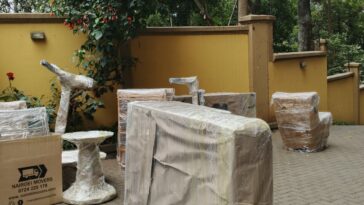
- Protect the outside. Wrap the fridge in blankets or padding and stretch film so it does not get scratched or dented.
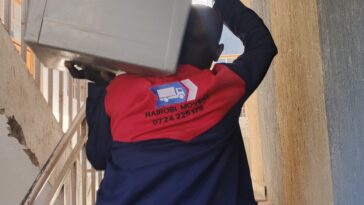
- Use the right equipment. A trolley or hand truck makes it much easier and safer to move a large fridge, especially in apartment buildings with lifts and corridors.
- Strap it in the truck. The fridge should stand upright against the side or front of the truck and be strapped so it cannot fall.
At the new home
- Let it stand before switching on. After a move, let the fridge stand upright for a few hours before plugging it in, so the oil and coolant settle back into place. If the fridge had to be laid down, wait longer. Check the manufacturer’s advice for your model.
- Give it space. Leave a gap between the back of the fridge and the wall so air can circulate.
- Wait before loading food. Let the fridge cool down for several hours before putting food inside.
How to move a washing machine
A washing machine looks solid, but the drum inside is suspended on springs and dampers. If it bounces around during the journey, it can damage the machine.
- Run a final empty cycle and drain it. Make sure the drum is empty and dry.
- Turn off the water supply and disconnect the inlet and drain hoses. Drain any remaining water from the hoses into a bucket.
- Clean the detergent drawer and filter. Leftover water in the filter can leak during the move.
- Fit the transit bolts. Front-loading machines usually come with transit bolts that lock the drum in place. If you kept them, fit them before the move. If you did not, ask your mover how they will secure the drum, or check the manual for alternatives.
- Pack the hoses separately in a labelled bag, or tape them securely to the machine.
- Wrap the machine in blankets and stretch film, and move it upright.
At the new home, remove the transit bolts before you use the machine. Running a washing machine with transit bolts still fitted can cause serious damage. Keep the bolts somewhere safe for your next move.
How to move a cooker and gas cylinder
Cookers in Nairobi homes may be electric, gas or a combination. Safety comes first.
- Disconnect the gas safely. Turn off the gas at the cylinder and disconnect the regulator and hose. If you are not confident doing this, ask a qualified person.
- Do not pack gas cylinders in the truck with your household goods unless your mover has agreed how they will be transported safely. Many movers will not carry full gas cylinders. Ask before moving day, and consider transporting the cylinder separately or arranging a new one at the new home.
- Disconnect electric cookers safely at the isolator switch, and ask an electrician if the cooker is wired directly into the wall.
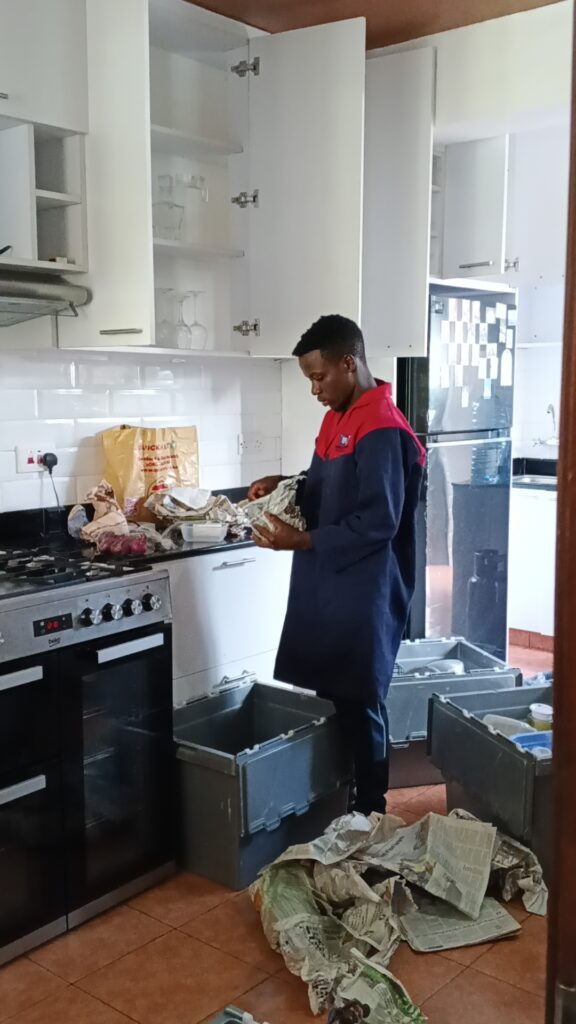
- Clean the cooker and remove loose parts such as racks, trays, grills and burner caps. Pack them separately.
- Tape the oven door closed and wrap the cooker in padding.
At the new home, have the gas connection checked and test for leaks before using the cooker.
How to move a microwave, oven and small kitchen appliances
Small appliances are easier to move but still need care.
- Remove the glass turntable from the microwave and wrap it separately. Tape the door closed.
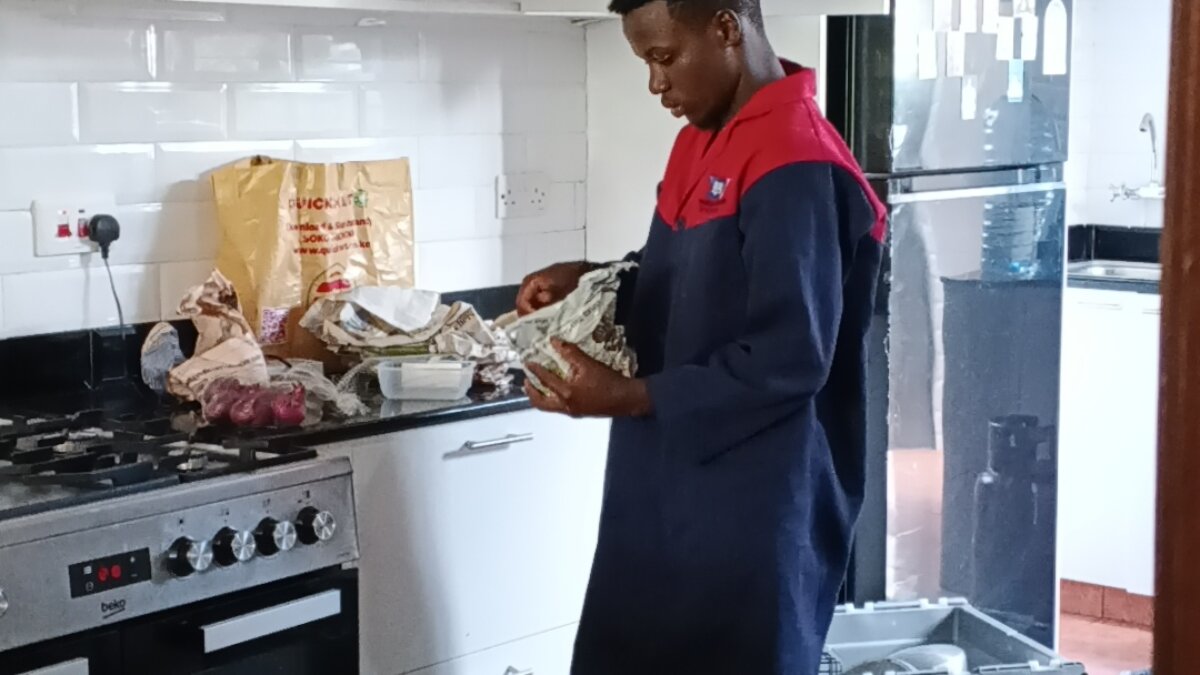
- Pack blenders, kettles, toasters and coffee machines in their original boxes if you have them, or wrap them in towels and pack them in a strong box.
- Drain kettles and coffee machines completely.
- Keep cables and small parts with each appliance in a labelled bag.
- Mark the box with “Kitchen” and “Fragile”, and keep it upright.
How to move a water dispenser
Water dispensers are common in Nairobi homes and offices.
- Remove and empty the water bottle. Carry full bottles separately; they are heavy and can split.
- Switch off the power and drain the hot and cold tanks using the drain cap at the back or bottom of the unit.
- Dry the unit and tape the taps so they cannot be pushed.
- Move the dispenser upright, and let it stand for a while before switching on at the new home.
How to move a television and sound system
Televisions are some of the most easily damaged items in any move.
- Use the original box if you have it. It is designed to protect the screen.
- If you do not have the box, wrap the screen in a soft blanket, then cover it with cardboard or a padded cover. Do not put stretch film directly on the screen.
- Keep it upright. Flat-screen televisions should travel standing on their edge, never lying flat with weight on top.
- Remove wall mounts and stands. Keep the screws and brackets in a labelled bag taped to the mount.
- Photograph the cables before disconnecting the television, decoder, sound bar and speakers.
- Pack remotes and cables together in a labelled bag.
Speakers, amplifiers and gaming consoles should be wrapped individually and packed in strong boxes with padding so they cannot move around.
Appliances that need a technician
Some appliances are built into the house or connected to water, gas or electrical systems in a way that needs a professional.
| Appliance | Who should disconnect and reconnect it |
|---|---|
| Air conditioner | A qualified air conditioning technician |
| Instant shower or water heater | An electrician or plumber |
| Solar water heater | A solar technician |
| Built-in oven or hob | An electrician, and a gas fitter if it uses gas |
| Dishwasher | A plumber, or follow the manual carefully |
| Inverter, solar batteries and backup systems | An electrician or the installer |
| Electric gate motor or alarm | The installer or a qualified technician |
Check your tenancy agreement before removing anything that was installed in the house. Some fittings belong to the landlord and must be left behind.
Packing appliances in the truck
How appliances are loaded matters as much as how they are prepared.
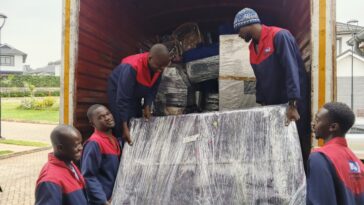
- Heavy appliances such as fridges and washing machines should be loaded first, upright and against the walls of the truck.
- Appliances should be strapped so they cannot move or tip during the journey.
- Nothing heavy should be stacked on top of appliances.
- Televisions and screens should be loaded upright between soft items such as mattresses or sofas.
- A closed truck protects appliances from rain and dust.
On long-distance moves, appliances need even more protection. Our guide to long-distance moves in Kenya explains how goods are protected on long journeys.
Moving appliances in apartment buildings
In apartment buildings, appliances often have to go through lifts, narrow corridors and doorways. Measure the fridge, washing machine and any large appliances before moving day, and measure the lift and door openings at both buildings. Some fridges need their doors removed to fit through a narrow door. If you live in a high-rise apartment, read our guide to moving in Kilimani, which covers lifts, stairs and building rules.
Should you move old appliances at all?
Moving is a good time to decide whether an old appliance is worth taking. A very old fridge or washing machine may use a lot of electricity, may not fit the new kitchen, or may be close to the end of its life. If the cost of moving and reinstalling an appliance is close to the cost of replacing it, it may make more sense to sell or donate it and buy a new one for the new home. Measure the space in the new kitchen and laundry area before deciding.
Packing materials for appliances
Good materials make appliances much easier to protect.
- Blankets or furniture pads to protect the outside of large appliances.
- Stretch film to hold padding in place and keep doors closed.
- Bubble wrap for glass shelves, microwave turntables and small parts.
- Strong boxes for small kitchen appliances.
- Packing tape and labels to seal boxes and mark them clearly.
You can order boxes, bubble wrap, packing tape and brown wrapping paper from our packing materials shop. For general packing advice, read our packing tips for moving house.
Appliance moving checklist
| When | What to do |
|---|---|
| A week before | Find manuals, decide which appliances to move, book technicians if needed |
| 2 to 3 days before | Use up food in the fridge and freezer, buy packing materials |
| The day before | Switch off and defrost the fridge, drain the washing machine and water dispenser |
| Moving morning | Disconnect power, water and gas; remove loose parts; tape doors |
| Loading | Wrap appliances, keep them upright and strap them in the truck |
| At the new home | Let the fridge stand before switching on, remove transit bolts, check gas connections |
Common mistakes when moving appliances
- Not defrosting the fridge. Water leaks onto other belongings in the truck.
- Laying the fridge flat. This can affect the compressor and coolant.
- Switching the fridge on immediately. Let it stand upright first.
- Forgetting the transit bolts. The washing machine drum can be damaged during the journey.
- Using the washing machine with transit bolts still fitted. Always remove them before use.
- Packing a full gas cylinder with household goods. Agree a safe plan with your mover first.
- Laying the television flat. Screens crack easily under pressure.
- Losing cables and remotes. Keep them in labelled bags with each appliance.
Related moving guides
- Packing tips for moving house
- House moving checklist for Nairobi
- House moving services in Nairobi
- How much does it cost to move in Nairobi?
- Why most moves in Nairobi go wrong
Protect your appliances on moving day
Most appliance damage during a move comes from a few simple mistakes: a fridge that was not defrosted or was switched on too soon, a washing machine without its drum secured, or a television packed flat. Prepare each appliance a day or two before the move, keep heavy appliances upright, protect them with padding and strap them in the truck, and let them settle before you switch them on at the new home. If you are leaving a rented house, our move-out cleaning checklist covers cleaning the kitchen and appliance spaces for the handover.
At Nairobi Movers, our crews wrap, carry and load appliances as part of a full house or office move in Nairobi. Tell us which appliances you are moving when you request a quote, so we can bring the right equipment and enough people.
Frequently asked questions
Let it stand upright for a few hours before switching it on, so the oil and coolant settle. If it had to be laid on its side, wait longer and follow the manufacturer’s advice for your model.
It is best to keep a fridge upright. If you must tilt it to get through a door or down stairs, keep the tilt small and brief, and let it stand upright for longer before switching it on.
Switch it off at least 24 hours before the move so the freezer can defrost completely, then clean and dry it before the crew arrives.
Transit bolts lock the drum in place and are the best way to protect a front-loading washing machine. If you do not have them, ask your mover how the drum will be secured, and remove any bolts before using the machine again.
Many movers will not carry full gas cylinders with household goods. Disconnect the cylinder safely and agree a plan with your mover before moving day, or arrange a new cylinder at the new home.
Use the original box if you have it. Otherwise wrap the screen in a soft blanket and cardboard, keep it upright on its edge, and never place anything heavy on top.
Get a quote for your move
Tell us the size of your home and the appliances you are moving, and we will plan the right crew, equipment and truck for a safe move.
📞 Call us: 0724 225 178
📝 Request a quote: nairobimovers.com/contact-us